A Masterwork of Victorian Design
Craigflower House was designed by David Bryce, one of Scotland's greatest 19th-century architects, and completed in 1860. Situated on the banks of the River Forth near Torryburn, the house demonstrates Bryce's distinctive romantic, picturesque approach to residential architecture.
The building is classified as Category B Listed, recognizing its architectural and historical significance. Bryce's other celebrated works include Fettes College in Edinburgh and the Bank of Scotland headquarters on The Mound, making Craigflower one of his important residential commissions.
The Designer: David Bryce
David Bryce (1803–1873) was a leading figure in 19th-century Scottish architecture. He pioneered a distinctive style that blended classical training with romantic sensibility, creating buildings that were both intellectually rigorous and visually distinctive.
Bryce's influence on Scottish architecture was profound. His designs shaped the urban landscape of Edinburgh and influenced country house architecture throughout Scotland. Craigflower represents his mastery of country house design—a building that responds to its landscape setting while asserting its architectural presence.
The Setting
Craigflower's location on the banks of the Forth is integral to the building's character. The house commands views of the river and surrounding landscape, and its design takes account of its natural setting. The approach from the drive reveals the building's facades progressively, demonstrating Bryce's understanding of picturesque composition.
Interior Spaces
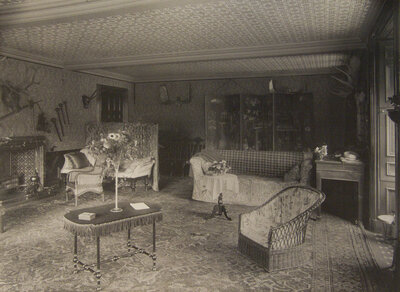
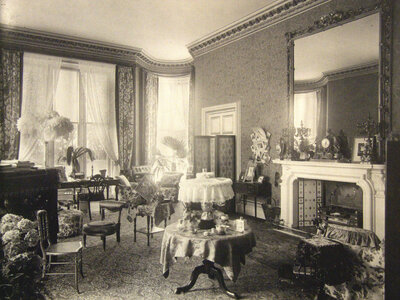
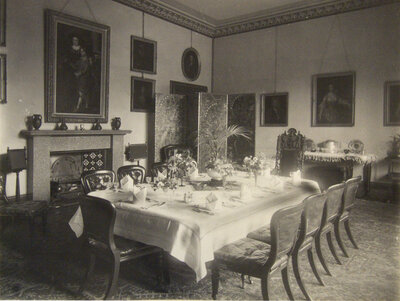
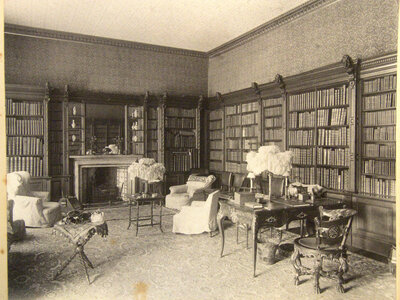
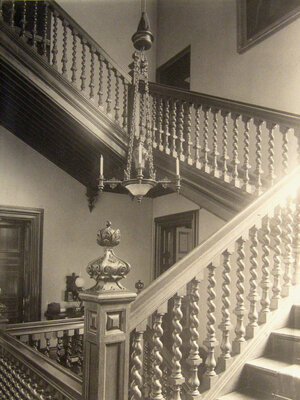
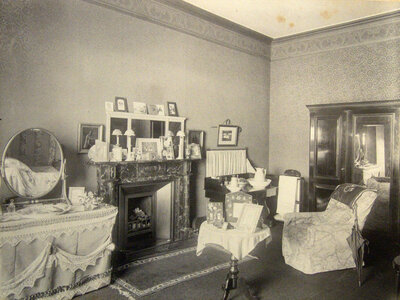
The interior of Craigflower reflects Victorian confidence and craftsmanship. The building contains generous reception rooms, including a drawing room, dining room, library, and other spaces suitable for a substantial country residence. The principal staircase is an important compositional element, and the details throughout demonstrate fine joinery and decorative finishes.
Interior Photography
Our archive contains photographs documenting the building's interior spaces, including period photography and documentation from before the 2000 conversion. These images reveal the quality of the original design and the character of individual rooms.
Conservation and Adaptation
In 2000, Craigflower House underwent a substantial renovation that converted the building into 12 luxury residential flats. This conversion, which represented a £4 million investment, respected the Category B Listed status of the building and preserved its architectural character while adapting it for modern residential use.
The conversion demonstrates how historic buildings can be sensitively adapted to meet contemporary needs. Important architectural features were retained, and the conversion was carried out with careful attention to the building's historic fabric.
Architectural Significance
Craigflower House is significant both as a work of David Bryce and as an example of Victorian country house architecture. The building demonstrates:
- Bryce's mastery of residential design and romantic composition
- The confidence and craftsmanship of Victorian construction
- Sensitivity to landscape and natural setting
- High quality of interior finishes and spatial arrangement
- The capacity of historic buildings to be adapted for contemporary use while respecting their character
Documentation and Research
We are collecting architectural documentation, historic photographs, and measured drawings related to Craigflower House. If you have documents, plans, or historical photographs of the building or its interior, we would welcome hearing from you.